




The retail industry has changed. A lot.
It’s not just the products anymore. Now there are self-checkout kiosks, QR codes for quick deals, and shoppers comparing prices on their phones.
Retail isn’t only about selling things. It’s about speed, convenience, values, and customer experience.
For years, retail meant aisles, carts, and checkout counters.
But in 2026, things look very different. Customers expect more, technology is everywhere, and global changes are shaping how people shop.
From AI and social media shopping to sustainability, resale, and smart stores, the industry is moving faster than ever.
If you’re running a store or planning to grow in retail, this blog is for you.
We’ll look at the top 10 retail industry trends in 2026, share how brands are adapting, and show what these changes mean for your business.
The current state of the retail industry
At first, retail looks familiar—products on shelves, carts in stores, and online shops a click away. But things are changing fast.
In 2025, the global retail market is valued at approximately $27 trillion and is projected to reach $36.9 trillion by 2030. In the U.S., retail sales were $7.26 trillion in 2024. Even with online shopping, physical stores are still strong, with over 1 million stores making up around 82% of sales.
At the same time, some stores are closing. Experts estimate that up to 15,000 U.S. stores may close in 2025 due to online competition from retailers like Temu and Shein.
Stores that use smart technology, clear branding, and good digital tools can still succeed. Shopping today is not just buying—it’s about speed, ease, and a better experience.
Retail is big, changing fast, and full of chances—but only for those ready to plan and adapt. To help, we’ve listed the top retail industry trends that can guide you. If you’re new to retail, these trends can help you start strong.
Let’s dive in.
Top retail industry trends in 2026
Shopping habits are evolving. Customers now want faster service, smarter tools, and new ways to connect with brands. Here are the trends leading the way.
Trend 1: AI-powered personalized shopping
You know when an online store seems to know exactly what you’re looking for—like showing your size and color before you even search? That’s not luck. That’s AI working behind the scenes.
AI is no longer just a buzzword—it’s part of everyday shopping without us noticing. Instead of scrolling through endless products, it learns your taste and brings the right options forward.
Think about Netflix recommending the perfect show. Now imagine that same intelligence helping you shop.
Here’s a real example. In 2024, fashion resale brand ThredUp added an AI “outfit builder.” Shoppers who used it were 55% more likely to come back the next week and 65% more likely to find something they loved. That’s because it saved time, cut stress, and made people feel understood.
For customers, it means:
- Less scrolling, more finding
- Offers and suggestions that actually fit their needs
- A shopping journey that feels personal, not random
For retailers, it means happy customers who buy more and stay loyal.
AI is turning shopping into something smoother, smarter, and more personal—like a store that really “gets you.”
Trend 2: Seamless omnichannel experience
Ever spotted a pair of sneakers on Instagram, tried them in a store, and later ordered them online for home delivery?
That’s omnichannel shopping—and in 2026, it’s how most people shop.
Customers no longer separate “online” from “offline.” They just expect the whole journey to connect.
See it online ➡️ Test it in person ➡️ Order it later ➡️ Pick it up curbside ➡️ Return it anywhere.
That’s the flow people want.
And when that flow breaks, most shoppers move on to someone else.
That’s why services like buy online, pick up in-store (BOPIS), curbside pickup, and easy returns are no longer bonus perks. They’re the basics.
The numbers tell the story. Omnichannel shoppers spend about 30% more than single-channel shoppers. Stores with strong systems keep 89% of customers, while those without keep only 33%.
That’s a massive gap—and proof that seamless shopping isn’t just convenience, it’s loyalty.
Omnichannel isn’t about adding more channels. It’s about making them feel like one.
When every step connects, shopping feels effortless. And when it feels effortless, people come back again and again.
Phygital is the new term being used to describe an experience where an online ease meets immersive in-store touchpoints.
Trend 3: Quick commerce (Q-commerce)
Next-day delivery used to feel fast. Now, many shoppers don’t want to wait an hour. Groceries, snacks, even medicine—they expect them at the door in 10–30 minutes.
That’s quick commerce—or Q-commerce.
It’s built for those everyday moments: A parent needing diapers late at night, a student craving snacks, or someone running out of pet food.
The engine behind it all is the “dark store”.
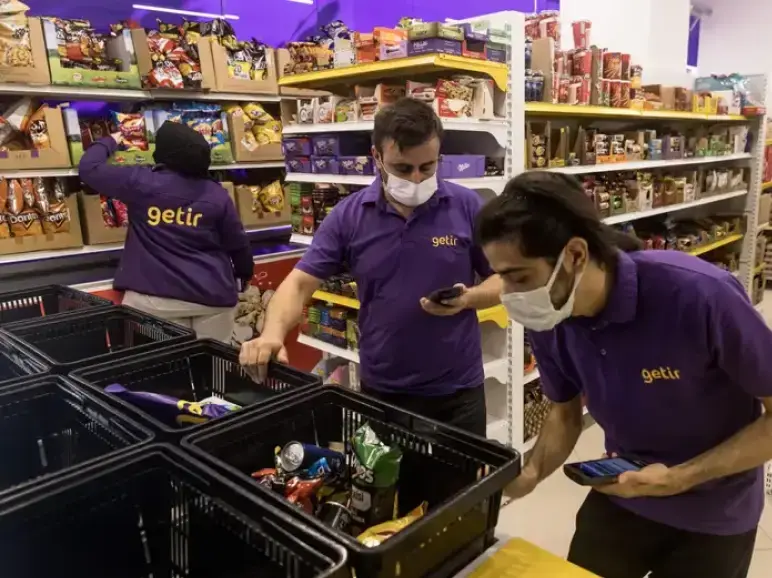
A dark store looks like a small supermarket but isn’t open to walk-in shoppers. It’s a mini warehouse tucked inside a neighborhood, stocked only with essentials.
Here’s how it works. An order comes in through an app. Staff pick the items within minutes. A rider collects the bag and heads straight to the customer’s door. Because the store is close by, delivery feels almost instant.
And this model is exploding. The Q-commerce market was $170 billion in 2024 and could reach $337 billion by 2032—almost double in less than a decade.
Yes, speed comes at a cost, so many retailers partner with delivery apps instead of handling it all themselves.
But the truth is simple: in 2026, speed isn’t just a perk. It’s the promise. And the stores that keep it, win.
Trend 4: Sustainability and green retail
Walk into a store in 2026 and you’ll notice it’s not just the shelves that have changed—it’s the values behind them.
Paper bags replace plastic. Packages feel lighter because they’re compostable. Some stores even have solar panels on the roof. These aren’t gimmicks anymore. They’re everyday choices.
Why? Because shoppers are asking for it.
According to PwC’s 2024 Voice of the Consumer Survey, people are willing to pay about 9.7% more for sustainably produced goods. That’s a clear sign sustainability is now a must, not a maybe.
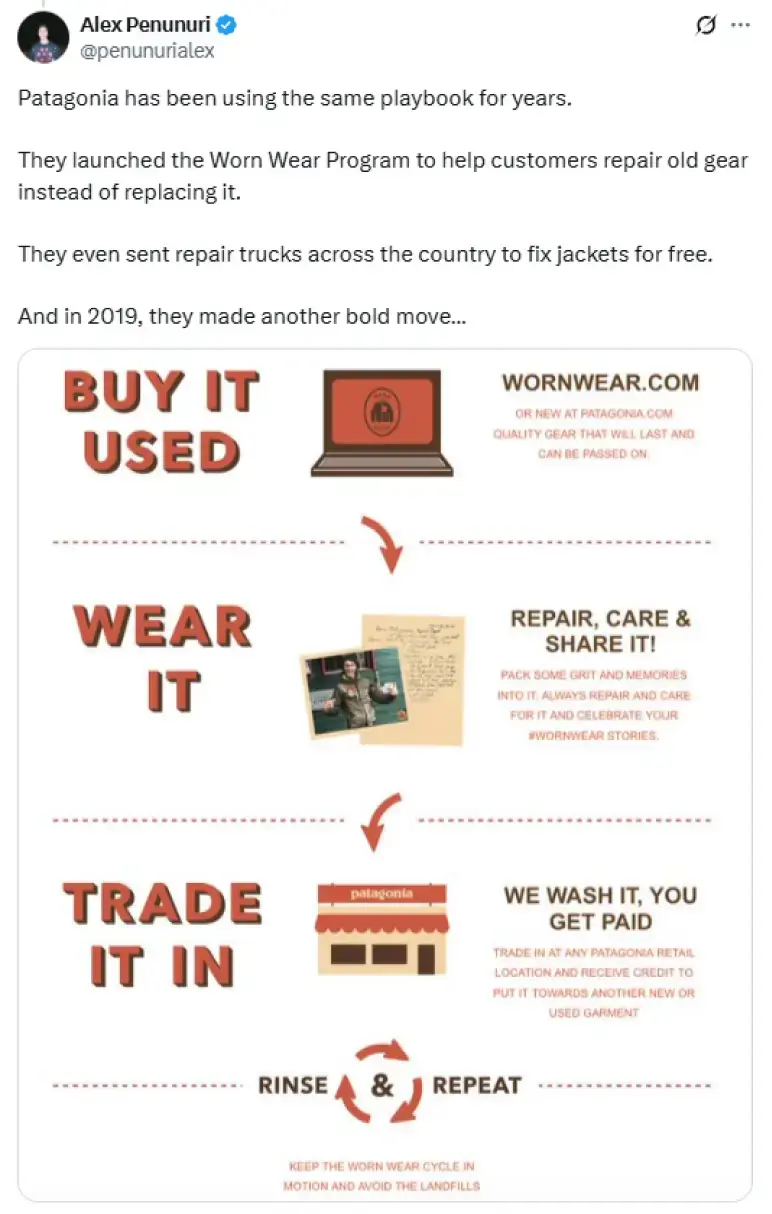
Brands that listen are winning. Patagonia offers to fix old jackets so they last longer.
Allbirds makes shoes from wool and sugarcane—and even prints the carbon footprint on the box.
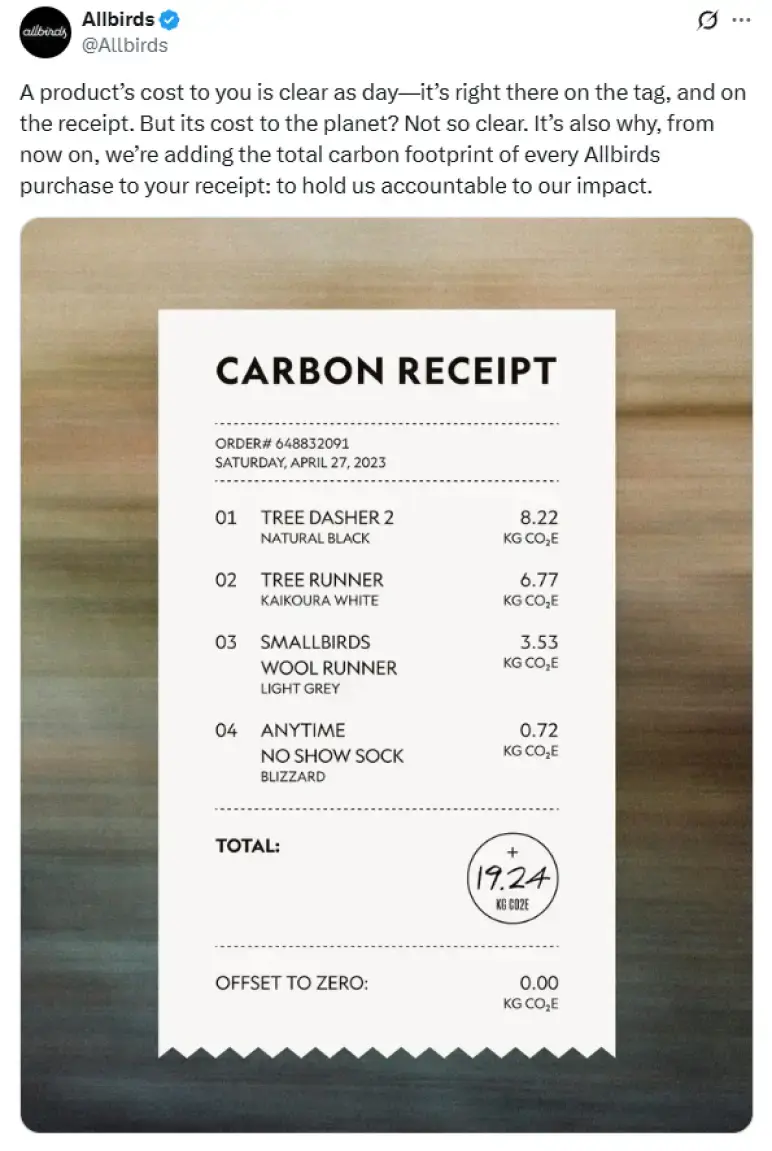
Shoppers love this honesty. It makes them feel part of something bigger than just a purchase.
And it’s not slowing down. The resale market, recycling programs, and even carbon-neutral stores are gaining momentum fast.
Sustainability in retail isn’t about “going green” as a marketing trick. It’s about trust. In 2026, the brands that prove they care for the planet are the ones customers keep coming back to.
Trend 5: AR and VR shopping
What if your bedroom could be a fitting room? That’s possible with AR (augmented reality) and VR (virtual reality).
AR lets you see products in real life using your phone or tablet. You can check how a sofa fits in your living room or try different lipstick shades on your face.
Some stores even use smart mirrors. You stand in front of one, and it shows how clothes, glasses, or makeup will look—without you having to change.
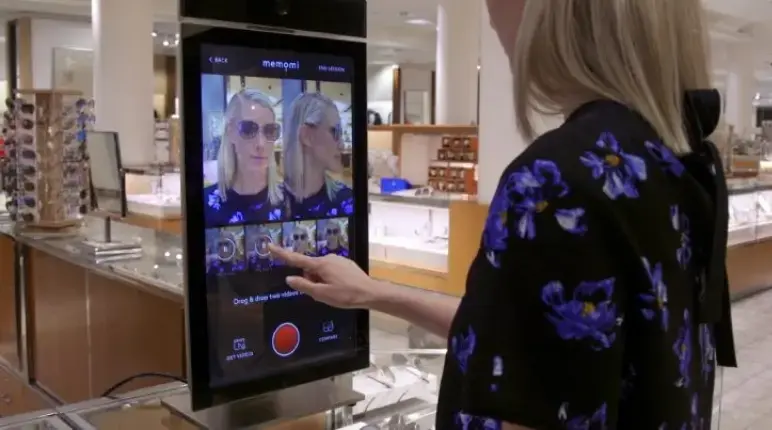
VR takes it further. Put on a headset and you can walk through a digital store, browse shelves, explore collections, and even join live shopping events. It feels like visiting a mall, but from home.
These tools do more than make shopping fun. They give people confidence before they buy. That means fewer returns, less wasted time, and happier customers.
Brands are already seeing success:
- IKEA helps shoppers place furniture in their rooms.
- Sephora and L’Oréal let you try makeup virtually.
AR and VR are turning shopping into an experience. And in 2025, that extra excitement is what keeps customers coming back.
Trend 6: Social commerce growth
You open TikTok just to kill time. A funny video pops up. Then a skincare tip. Then a girl showed her before-and-after using a cream.
Two minutes later, you’re on checkout.
That’s social commerce—and in 2026, it’s everywhere.
People no longer just browse TikTok, Instagram, or YouTube for fun. They shop while they scroll. These platforms are now storefronts, checkout counters, and marketing channels—all rolled into one.
And the ecommerce statistics prove it. Social commerce sales are expected to cross $2 trillion in 2025. Almost 60% of Gen Z say they discover new brands on social media every single day.
Why does it work? Because it feels real.
- A creator isn’t just selling a product—they’re telling their story.
- A live stream isn’t a pitch—it’s a conversation.
- A video review isn’t an ad—it’s proof.
That’s what builds trust. And trust drives sales.
We’ve already seen it happen. Elf Cosmetics went viral on TikTok with authentic, playful clips. Products sold out in weeks. Small shops are using similar digital marketing strategies, turning casual followers into fans.
In 2025, social commerce isn’t about advertising. It’s about connection. And connection is what makes people buy.
Trend 7: Subscription models and loyalty programs
Ever wished your favorite products showed up before you even remembered to order them?
That’s exactly what subscriptions make possible in 2026.
Shoppers no longer want to reorder the same items again and again. They’d rather have them delivered on a schedule.
That’s why subscriptions are booming.
It could be a monthly snack box, weekly groceries, or even a yearly membership with perks. The global subscription market is expected to hit $1.5 trillion in 2026. And subscribers aren’t just repeat buyers—they spend about 20% more than one-time customers.
The reason is simple: subscriptions save time, add a touch of surprise, and make people feel like they belong.
Big names show the power of this model.
- Amazon Prime turned a shipping plan into a lifestyle with movies, music, and exclusive deals.
- Dollar Shave Club built a global brand on the idea of razors delivered monthly.
- Local businesses are doing it too—coffee roasters send fresh beans every month, and indie bookstores mail out mystery boxes.
But subscriptions aren’t the only way to keep customers close. Loyalty programs are also rising rapidly. Points, rewards, and exclusive offers keep shoppers engaged.
Starbucks, for example, has turned its rewards app into one of the most successful loyalty programs in retail.
Together, subscriptions and loyalty programs do more than move products. They build habits, trust, and long-term relationships.
Turn it into a business plan in under 10 minutes
Trend 8: Smart stores & frictionless checkout
Nothing slows down shopping like waiting in line.
In 2026, stores are doing everything they can to ensure you don’t have to.
Picture this—you walk in, grab what you need, and walk out. No cashier, no line. Digital price tags change right in front of you, and smart shelves make sure your favorite products aren’t missing.
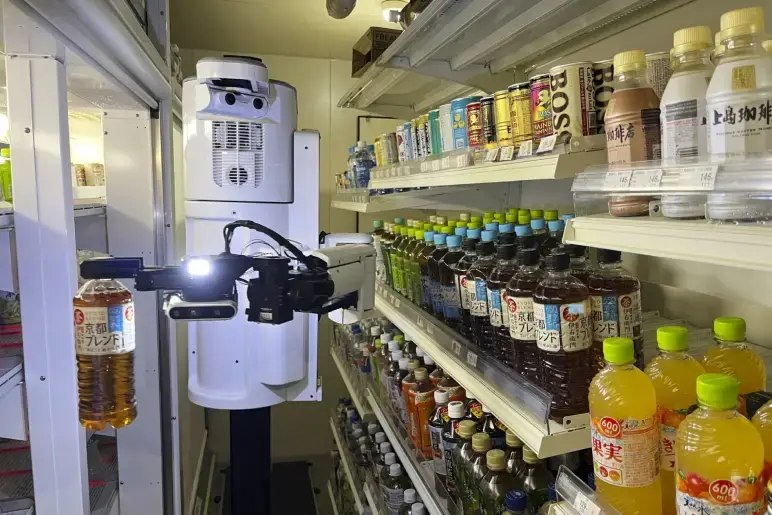
Some stores even use robots to restock so aisles stay full.
Checkout is where the biggest shift is happening. Instead of pulling out cash or cards, you just tap your phone, use a digital wallet, or pay with a fingerprint.
Some shoppers even scan their faces to confirm payment.
And it’s catching on fast. In 2024, 89% of shoppers tried some kind of frictionless checkout. About 37% said they’d switch stores just for the option. Among Gen Z, more than half prefer a store where they never have to stand in line at all.
Retailers are moving quickly to keep up. Grocery chains are testing smart carts that scan items as you shop, and Walmart is rolling out electronic shelf labels that update in real time.
The result? Shopping feels faster, easier, and less stressful—just the way you want it.
Trend 9: Hyper-personalization and customer data
You open your shopping app in the morning and see a discount on the coffee brand you always buy. Later, an email pops up with sneakers that match the style you’ve been browsing.
In the evening, your loyalty app reminds you of the drink you ordered last week—this time with an extra reward if you try it again.
That’s not a chance. That’s hyper-personalization.
Retailers are now using AI and customer data to make shopping feel like it’s built around you. Every touchpoint—emails, apps, even in-store screens—adapts to your habits.
And shoppers respond. Studies show 80% are more likely to buy when the offers feel personal. Retailers see the payoff too—nearly 7 in 10 executives say personalization drives growth.
It’s already reshaping big brands. Nike’s app suggests gear based on your workouts. Starbucks tailors rewards around your past orders.
For retailers, personalization isn’t just a sales trick. It helps predict demand, manage stock, and set smarter prices. For shoppers, it feels like the store “gets you.”
That’s what turns a simple purchase into a lasting connection.
Trend 10: Resale and the circular economy
That “new” jacket you love? It doesn’t always have to be brand new.
Today, second-hand is cool. It saves money, looks good, and helps the planet.
Young shoppers, especially Gen Z, love it. They don’t see resale as old-fashioned—they see it as the smarter choice. That’s why the resale market is booming. Experts say it will more than double by 2028 and grow six times faster than normal retail fashion.
You can already see the change:
- Patagonia lets you trade in old jackets for credit.
- Lululemon resells gently used activewear.
- IKEA is testing buy-back programs for furniture.
- Apple’s refurbished iPhones are flying off the shelves.
And then there are online platforms. ThredUp, Depop, and Poshmark have made resale fun, trendy, and easy. Rentals are rising too—whether it’s designer dresses for an event or outdoor gear for a weekend trip.
For shoppers, resale feels good on the wallet and the conscience. For retailers, it’s a new way to earn and keep loyal customers.
In 2026, shopping isn’t just about buying new. It’s about keeping things in use longer—and feeling good while you do it.
Trend 11: Smarter inventory management
Walk into a store and see your size missing—or click “buy now” only to get an out-of-stock email later. That gap is what retailers are racing to close in 2026.
Smart systems now track stock in real time, predict demand, and even move products closer to where shoppers need them. Some use AI to forecast hot sellers weeks in advance. Others link warehouses, stores, and online platforms so the same item isn’t sold twice.
It’s not just about avoiding empty shelves. Smarter inventory cuts costs, streamlines operations, and keeps shelves ready.
From fashion to groceries, brands are learning that stock accuracy isn’t just logistics—it’s part of the shopping experience itself.
Conclusion
Retail isn’t standing still—it’s moving fast, shaped by technology, new habits, and customer expectations.
Shoppers today want more than products. They want convenience, a smooth experience, and brands they can trust. The businesses that deliver on that will be the ones people return to.
We’ve seen how the industry is shifting—AI-powered shopping, quick delivery, social media sales, subscriptions, smart stores, green retail, personalization, and resale. Each trend presents an opportunity to grow, but you don’t need to follow them all. What matters is choosing the ones that fit your business and your customers best.
And here’s where planning makes all the difference. With tools like Upmetrics, you can map your ideas, test strategies, and turn trends into action. Instead of reacting to change, you’ll be ready for it.
Retail is full of opportunities for those who prepare. Focus on your customers, stay flexible, and keep experimenting. The next move you make could be the one that sets your business apart in 2026.
