




Executive Summary
QueenCity Taxi Services is a privately owned taxi company that operates taxi operations within the city of Charlotte, North Carolina, and provides taxi services for scheduled airport transfers to the Charlotte Douglas International Airport. The owner and operator of the business is a full-time driver and manager, Malik Turner.
The area of operation is the Uptown Charlotte and surrounding residential streets, as well as travel to the airport. Operations are intentionally simple, using one sedan with phone-based bookings and a Google Business listing. The business does not employ dispatch staff, does not operate a mobile application, and has no employees. This structure keeps fixed costs low while allowing flexible scheduling.
The startup costs are about $45,000, including owner savings of $25,000 and a vehicle loan of $20,000 to buy a good used sedan. The startup capital will be used to cover the cost of buying a vehicle, permits, commercial insurance, simple branding, phone and payment infrastructure, initial fuel and maintenance, and working capital.
This was due to a continued increase in population and traffic at the Charlotte airport, which favors reliable taxi services. The unpredictable rideshare fares are not so preferred by many customers as opposed to fixed fares, which are more predictable. Target clients consist of locals, passengers, and regular riders who want to have direct and trusted services.
It will generate revenue of between $110,000 and $150,000 in the first year, assuming constant daily ride traffic and low average ticket prices. The low operating costs and one model of vehicle will also allow the business to break even after the daily demand has stabilized.
Want a professional plan like this sample?
Upmetrics AI generate a complete, investor-ready plan for you

Company Overview
Legal Structure and Ownership
QueenCity Taxi Services operates as a sole proprietorship or single-member LLC registered in North Carolina. The business is 100% owned and operated by Malik Turner.
Address and Service Area
The business location is in Charlotte, North Carolina, and targets Uptown, residential neighborhoods, and major travel directions heading to the Charlotte Douglas International Airport. The service focuses on local point-to-point transportation and planned airport transportation, rather than extensive city coverage.
Founder Experience Summary
The owner and the only driver of QueenCity Taxi Services is Malik Turner. He spent his time in the transportation operations and customer service, and that explains why he is attentive to punctuality, transparent pricing, and reliable service. The company will be a one-person business so as to maintain quality, scheduling, and cost effectiveness.
Mission
The mission of QueenCity Taxi Services is to offer safe and reliable transportation to local clients and airport travelers who are willing to use reasonable prices and direct contact by phone. The company is not focused on scale or fleet expansion, but rather on consistency, safety, and repeat customers.
Business Model
Revenue is generated through standard local city rides and pre-booked airport transfers using one sedan. All bookings are handled directly by the owner through phone calls, Google Business Profile listings, and repeat customers. There are no employees, no dispatch system, no mobile application, and no corporate or medical transport services.
Future Goals
The primary goal is to establish a steady and predictable income stream through consistent daily ride volume rather than rapid expansion. In the first year, the business aims to achieve stable utilization of the single vehicle, build a base of repeat airport customers, and maintain positive cash flow after operating expenses.
On the operational side, the company aims to ensure minimal fixed costs through the minimization of overheads, no extra vehicles, and owner-only operation. Service objectives comprise the on-time pickups, effective communication with customers, and high reliability during the early mornings and late-night airport traveling.
Long-term objectives are concerned with maintaining income and sustenance, and not size. The owner intends to keep the one-vehicle model and grow the level of repeat bookings, referrals, and direct customer relations.
A business plan shouldn’t take weeks
Market Summary
Charlotte demand indicators
Population and employment in the city of Charlotte, especially in the Uptown and surrounding central neighborhoods. The current residential and mixed-use in Centre City is an indication of the current urban activity and density. This environment will contribute to the regular demand of daily transport requirements such as commuting, carrying out errands, and short-distance transport within the city.
Airport Transportation Demand
Charlotte Douglas International Airport is among the busiest airports in the region, recording high traffic of passengers all year round. Early-morning and late-night flight schedules make the airport transportation a consistent option due to the demand among travelers who are more concerned about guaranteed pick-ups and predictable prices.
Uptown Worker Base
The Uptown Charlotte hosts the big population of daily labor force with an estimated number of 125,000 office workers based on 2024 Centre City estimations. The majority of employees attend the workplace several days a week, which leads to the regular transportation demand during weekdays.
Office activity, residential units, restaurants, and event venues make the demand for short-distance trips and airport connections, and thus provide consistent weekday and evening rides only.
High-density Residential Demand
South End and NoDa are some of the neighborhoods that have experienced tremendous growth in terms of apartments and mixed-use development. A large proportion of the population in these regions can afford one car or no cars, and they are more dependent on taxis to make short journeys, evening excursions, shop, and visit the airport.
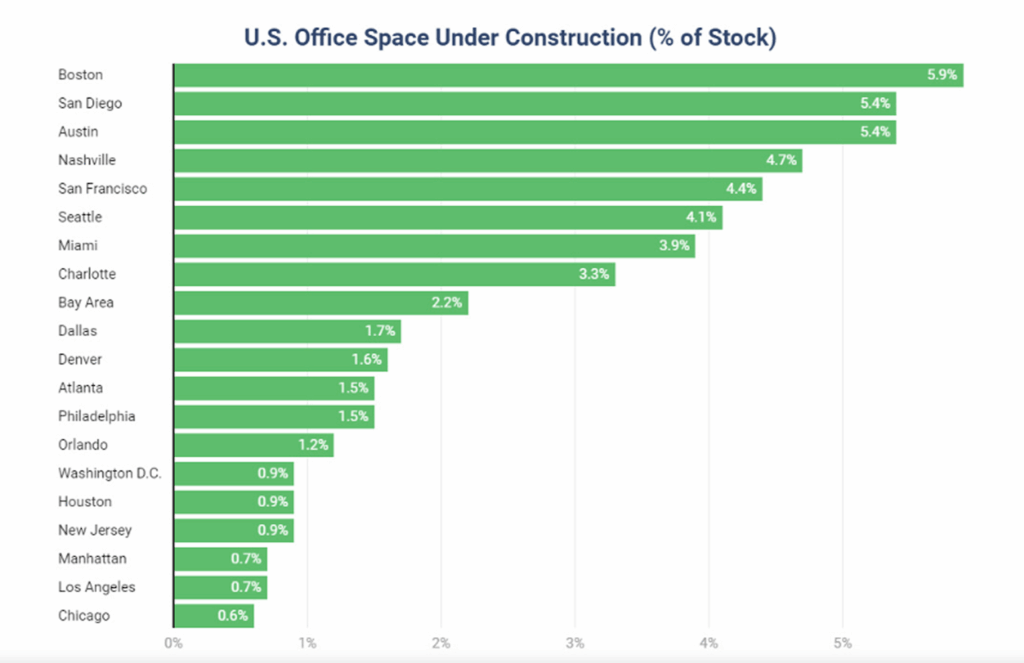
Dense housing clusters place many potential riders within limited geographic areas, supporting consistent daily ride volume for a local operator.
Rideshare Gaps and Taxi Relevance
Although rideshare services account for a significant share of on-demand travel, they are not always offered at predictable prices and during peak hours, early mornings, and late nights.
This creates continued demand for traditional taxi services that offer
- Direct communication
- Advance booking
- Price clarity
Target Customer Groups
QueenCity Taxi Services primarily serves:
- Airport travellers seeking scheduled pickups and clear pricing
- Local residents in central Charlotte who need short, reliable trips
- Repeat customers who prefer direct phone-based service over apps
The business focuses on a narrow, well-defined customer base that supports steady demand without requiring fleet expansion or complex systems.
Competitive Analysis
Direct Local Taxi Competitors
Charlotte has a small number of established taxi operators that primarily run fleet-based, on-demand services. These companies focus on broad city coverage rather than personalized or scheduled service.
| Competitor | Operating Model | Strengths | Limitations |
|---|---|---|---|
| Crown Cab Company | Traditional fleet with phone dispatch | Long-standing presence, basic city coverage | Airport pickups depend on driver availability; limited scheduling reliability |
| Yellow Cab of Charlotte | Larger fleet with leased drivers | Wide geographic reach | Inconsistent response times; variable vehicle condition |
| Small independent taxis | One to two vehicle operators | Local familiarity | Irregular availability; limited online visibility |
The major part of the traditional taxi operators is focused on the immediate city ride and is highly dependent on the driver who is available at the moment. This renders them unreliable when it comes to pre-booked airport journeys, particularly in the early mornings or when there is a late night.
Indirect Competitors
Rideshare platforms are the primary indirect competitors.
| Competitor Type | Strengths | Limitations |
|---|---|---|
| Uber and Lyft | App convenience; large driver pools during normal hours | Surge pricing; unreliable availability during peak, early morning, or late-night periods; inconsistent pickup commitment |
Rideshare services handle a large share of casual trips but often fall short for riders who need predictable pricing and confirmed pickup times, particularly for airport travel.
Positioning of QueenCity Taxi Service
QueenCity Taxi Services operates within Charlotte’s local transportation market with a primary focus on pre-booked airport transfers. Charlotte Douglas International Airport serves approximately 58.8 million passengers annually, indicating consistent year-round demand for airport ground transportation.
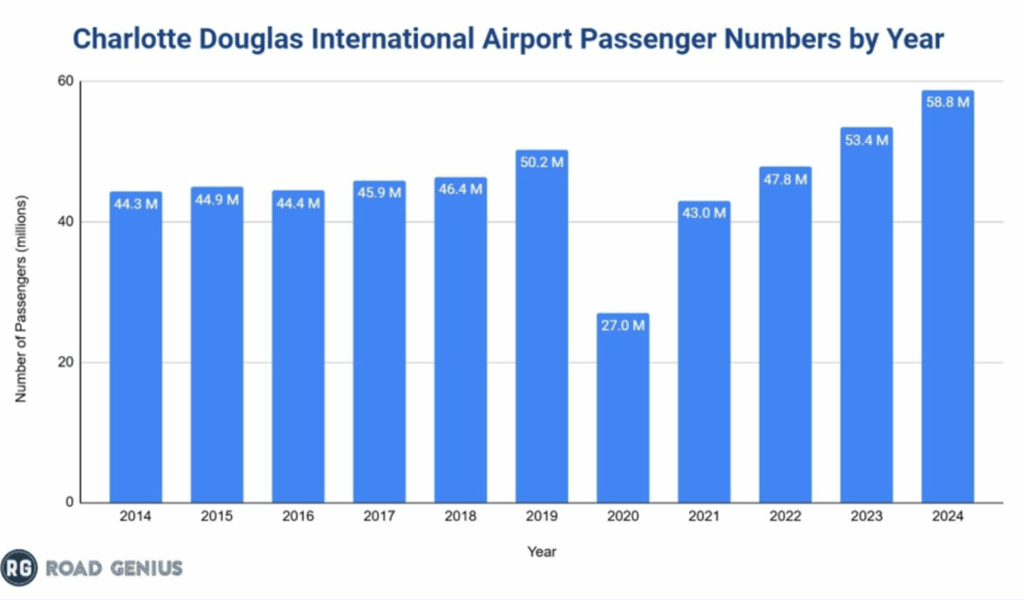
The demand for airport travel is stable because of a constant inflow of passengers and a large number of early morning and late flights. Within these time windows, the capacity of rideshare may be low, and the prices are usually subjective. This gives a chance to the planned taxi services, which provide assured pickup and fixed-price services.
Taxi service may be preferred by many passengers in cases of visiting the airports due to the fact that the cost is predictable, the interaction is direct, and the service can be booked in advance. QueenCity Taxi Services responds to this preference, but by providing transparent rates to the airport and pickups that are controlled by the owner, the traveler will end up having less uncertainty, as they will be able to rely on the transport.
The business does not operate ADA-equipped vehicles and does not serve corporate or contract-based accounts. This is intentional, as the primary target market consists of individual travelers and local residents who do not require specialized vehicles or account billing. By locking out these segments, the business is able to have a simple operating structure, a regular operating schedule, and minimal fixed costs.
Prioritizing airport transfers and local repetitive clients over city rides with a huge fleet, or on-demand operation or surge pricing, QueenCity Taxi Services can offer a solid alternative to the clientele that value certainty and predictability over demand availability or the pricing inherent to surge pricing.
Stop searching the internet for industry & market data
Get AI to bring curated insights to your workspace
Services and Pricing
Standard City Rides
QueenCity Taxi Services provides local point-to-point city rides within Uptown Charlotte and nearby residential neighborhoods. The rides include the day-to-day routes like commuting, shopping, nighttime outings, and short routes in central destinations.
It charges on simple and local taxi rates based on meter or zone estimates, depending on the length of the trip and conditions. Fares are kept clear and consistent to avoid price swings commonly seen with rideshare services.
Airport Transfers
The company offers pre-booked airport transfers in and out of Charlotte Douglas International Airport. Flat or estimated prices on trips to the airport are based on standard routes, so passengers can be aware of the cost beforehand.
Airport services focus on:
- Early-morning departures
- Late-night arrivals
- Scheduled pickups requested in advance
This service is designed for travellers who prefer confirmed pickup times and predictable pricing.
Waiting Time
Waiting time may be charged when the driver is required to remain on-site due to customer delays, including airport curbside waits or multi-stop trips. Waiting charges are applied in short time blocks to keep pricing clear and fair.
Excluded Services
The following services are not offered in Year 1:
- Wheelchair-accessible or ADA transport
- Non-emergency medical transport
- Corporate billing or monthly accounts
This keeps operations simple and aligned with a one-driver, one-vehicle structure.
Booking and Payments
Rides are booked directly through phone calls, Google Business Profile listings, and repeat customers. Payments are accepted via card or cash using a basic mobile payment setup. There is no mobile app, dispatch software, or third-party booking system.
For pre-booked airport and scheduled rides, customers are requested to cancel at least two hours in advance. Late cancellations or no-shows may result in a partial charge to cover reserved time and fuel costs. This policy helps protect availability and manage scheduling for a single-vehicle operation.
Operations Plan
Hours of Operation
QueenCity Taxi Services operates on a flexible daily schedule set by the owner. Typical operating hours range from 8 to 12 hours per day, with availability adjusted based on demand. Priority is given to early-morning and late-night airport transfers, along with daytime local trips in central Charlotte.
Staffing Model
The business is fully owner-operated. Malik Turner is the sole driver and handles all driving, bookings, payments, and basic vehicle upkeep. There are no employees, no dispatcher, and no contracted drivers.
Daily Operations
All rides are handled directly by the owner. Bookings are received through phone calls, Google Business Profile listings, and repeat customers. Trips are scheduled manually to reduce idle time and unnecessary mileage.

Daily activities include:
- Driving and passenger service
- Scheduling airport pickups and local trips
- Fueling and basic vehicle checks
- Payment collection and simple recordkeeping
The operating area is intentionally limited to maintain reliable response times and manageable daily mileage.
Vehicle and Maintenance
The business operates one sedan suitable for daily city driving. Preventive maintenance is being conducted on a schedule to reduce downtime and unpredictable repair expenses.
Routine maintenance includes:
- Oil changes and inspections at standard mileage intervals
- Tire checks and rotations
- Brake and fluid inspections
- Prompt servicing of any mechanical issues
During the off-hours, maintenance is to be scheduled in order not to interfere with revenue-generating time.
Vehicle Downtime Plan
As a single-vehicle operation, QueenCity Taxi Services follows a simple approach to managing vehicle downtime. For short-term maintenance or minor repairs, pre-booked rides may be rescheduled when possible, with customers contacted directly and given advance notice.
If the vehicle is unavailable due to extended repairs or an accident, the business will temporarily pause new bookings and cancel/reschedule existing reservations when services cannot be provided. Customers are informed promptly so they can make alternative arrangements, particularly for time-sensitive airport trips.
A small repair and maintenance reserve is maintained within working capital to address unexpected issues and support timely vehicle repairs. In Year 1, the business does not rely on rental vehicles or backup drivers, avoiding additional insurance and operational complexity. Any interruption in service is handled through clear communication with the customers in terms of managing expectations.
Compliance and Insurance

QueenCity Taxi Services upholds all necessary local taxi or for-hire permits, commercial auto, and vehicle inspections as stipulated by the City of Charlotte and the State of North Carolina. Records are kept organized for renewals and compliance checks.
Safety and Service Standards
Safety and reliability are core operating priorities. The owner carries out daily checks of the vehicles and keeps a clean and well-maintained car. Direct communication to riders guarantees clarity in pickup time, price clarity, and reliability of service without having to be dependent on third-party systems.
Does your plan sound generic and template-like
Refine your plan to adapt to investor/lender interests
Sales and Marketing Plan
Channel Mix Overview
QueenCity Taxi Services focuses on simple, repeatable channels that generate direct ride requests without ongoing overhead, prioritizing marketing efforts that result in phone calls and pre-scheduled rides.
Marketing spend is intentionally modest and focused on channels that directly generate calls and bookings.
| Activity | Monthly Spend | Purpose |
|---|---|---|
| Google Business Profile visibility and local ads | $150 | Capture high-intent local and airport searches |
| Printed cards and vehicle decals | $50 | Local awareness and referrals |
| Local taxi directories | $50 | Supplemental exposure |
| Contingency and seasonal adjustments | $50 | Coverage for peak travel periods |
| Total Monthly Budget | $300 | Aligned with solo cash flow |
The mix keeps spending focused on measurable acquisition channels, rather than broad awareness campaigns.
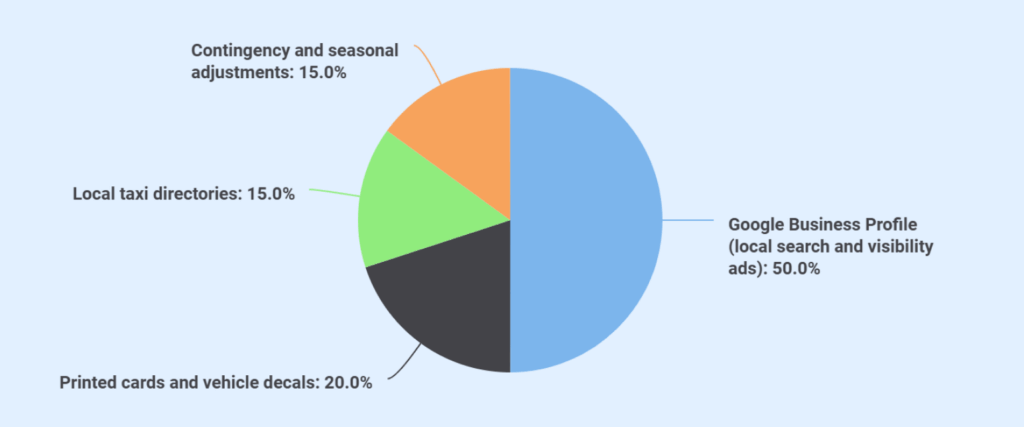
Phone bookings and word-of-mouth referrals are core acquisition channels but do not require direct marketing spend and are therefore excluded from the paid marketing allocation chart.
Airport-Focused Acquisition
The Charlotte Douglas International Airport has a consistent pre-booking ride demand, especially during the early mornings and late nights. QueenCity Taxi Services will position itself as a dependable substitute to ride-hailing services during these times.
Airport marketing focuses on:
- Clear airport pricing shared during booking calls
- Encouraging advance reservations for morning and late-night flights
- Building repeat airport customers rather than one-time trips
No formal airport partnerships or permits are relied on in Year 1 beyond required compliance.
Local and Repeat Customer Strategy
Local riders are acquired through consistent service and direct communication rather than promotions. Most of the customers like having a local taxi number they can call upon when they need it frequently, like when they are going to work, running errands, and visiting airports.
Retention methods include:
- Consistent pickup times
- Familiar driver relationship
- Simple booking without apps or surge pricing
Repeat riders form the core revenue base over time.
Promotions
Promotions are limited and practical, designed only to encourage trial without eroding margins.
| Promotion | Purpose | Scope |
|---|---|---|
| First airport ride discount | Encourage initial booking | Limited-time, one ride only |
| Repeat rider preference | Build loyalty | Priority scheduling when available |
No discounts are offered for medical, corporate, or ADA services, as these are not part of the business model.
Brand Position and Messaging
Brand Position
QueenCity Taxi Services is branded as a reliable, owner-operated taxi company aimed at customers who believe in reliability rather than convenience when using the taxi. The company has been established on the basis of certain pricing, guaranteed pick-up, and direct contact with the driver, not on-demand or app-based volume.
In contrast to such rideshare platforms, which focus on speed and dynamic pricing, QueenCity Taxi Services is focused on reliability in the case of planned trips, especially airport transportation and regular local routes. The owner-operated system enhances the sense of responsibility, consistency, and familiarity with the services that are valued by the riders who like to know who is picking them and at what time.
The brand is not competing with size, technology, and prices. It competes on trust, clarity, and repeat use.
Core Messaging Pillars
| Pillar | What It Communicates | Why It Matters to Customers |
|---|---|---|
| Reliability | Pickups are confirmed and honoured | Reduces anxiety for airport and time-sensitive trips |
| Predictable Pricing | Clear fares discussed at booking | Avoids surprise charges and surge pricing |
| Direct Access | Riders speak directly with the driver | Builds confidence and simplifies coordination |
| Local Focus | Service concentrated in central Charlotte | Improves response times and familiarity |
| Owner Accountability | Same driver, consistent service | Encourages repeat usage and trust |
Key Message Themes
Messaging across listings, phone conversations, and printed materials focuses on practical benefits rather than promotional language.
Primary message themes include:
- “Pre-booked airport pickups with clear pricing.”
- “Reliable local taxi service without surge pricing”
- “Direct phone booking, no app required”
- “Owner-operated service you can count on”
The messages will be aimed at establishing a clear expectation about the prices, reliability of pickups, and the simplicity of booking, and attracting riders who prioritize being transported on a schedule and are able to rely on dependable services as opposed to on-demand or surging services.
Brand Tone and Voice
The brand voice is intentionally straightforward and grounded.
Tone characteristics:
- Practical and calm
- Clear and direct
- Respectful and professional
- Free of exaggerated claims
Language avoids references to fleet size, advanced technology, or round-the-clock availability beyond realistic owner capacity. The goal is to communicate dependability without overstating scope.
Visual and Local Presence
QueenCity Taxi Services maintains a simple and consistent visual presence focused on recognition, clarity, and trust at the local level.
Key elements include:
- Clean vehicle decals displaying the business logo, name, and phone number
- Consistent use of the logo, service name, and contact details across Google Business Profile and local directories
- Simple printed cards with the logo and phone number shared with repeat and airport customers
- Clear, readable branding designed for visibility during daily operations
Overall, the visual approach supports easy recall, credibility, and direct contact rather than decorative or promotional branding.
Don’t spend weeks on your first draft
Complete your business plan in less than an hour
Fleet Plan and Vehicle Strategy
QueenCity Taxi Services operates with a single sedan suitable for daily city driving and airport transfers in Charlotte. The selection of fleet strategy is deliberately low to correspond with the owner-operator concept and maintain fixed expenses at a low level.
As mentioned earlier, the Charlotte Douglas International Airport attracted about 58.8 million passengers in 2024, which ensures the stable need for high-quality transportation services to the airport, especially in the early morning and nighttime. A single preserved sedan can be used to cover this need in a specific service area without the complexity and expenses of a multi-vehicle fleet.
Vehicle Details
| Item | Description |
|---|---|
| Vehicle Count | One sedan |
| Vehicle Type | Used or lightly financed midsize or compact sedan |
| Primary Use | Local city rides and pre-booked airport transfers |
| Ownership | Owner-operated, no leased or spare vehicles |
No ADA vans, specialty vehicles, or secondary units are included in Year 1.
Vehicle Rationale
The single-vehicle approach allows the business to:
- Control operating costs
- Maintain consistent service quality
- Avoid downtime caused by coordinating multiple vehicles or drivers
- Align capacity with the realistic daily ride volume for one driver
Vehicle selection prioritizes fuel efficiency, reliability, and ease of maintenance rather than fleet standardization.
Equipment and Setup
Operating equipment is intentionally limited to essentials required for daily service.
| Equipment | Purpose |
|---|---|
| Smartphone | Navigation, calls, and bookings |
| Mobile card reader | Accept card and digital payments |
| Basic vehicle decals | Identification and local visibility |
No dispatch software, GPS fleet tracking, radios, or uniforms are required for the operating model.
Insurance and Compliance
The business maintains commercial auto insurance appropriate for taxi or for-hire operations, along with all required local permits, vehicle inspections, and decals mandated by the City of Charlotte and the State of North Carolina. Coverage applies to one vehicle only and does not include ADA or medical transport endorsements.
Financial Plan
QueenCity Taxi Services operates a capital-light, owner-operated model with one vehicle and no employees. Financial projections are based on realistic daily ride volume, predictable airport and local trip demand, and a low fixed-cost structure. The business is designed to reach break-even quickly and remain flexible during slower periods.
Startup Costs
QueenCity Taxi Services requires $45,000 in total startup funding. This is invested with the help of $25,000 of owner savings and a $20,000 vehicle loan used to purchase a used sedan.
The total cost of the sedan is $30,000. $20,000 is financed through the vehicle loan, and the remaining $10,000 paid from the owner’s savings. The balance of owner funds is used to cover permits, commercial insurance, initial setup costs, and working capital.
| Category | Amount ($) |
|---|---|
| Used sedan purchase (loan + owner contribution) | 30,000 |
| Permits and licenses | 2,500 |
| Commercial insurance deposit | 4,500 |
| Branding and decals | 1,500 |
| Phone and payment setup | 1,000 |
| Initial fuel and maintenance | 3,000 |
| Working capital buffer | 2,500 |
| Total Startup Cost | 45,000 |
There are no additional vehicle purchases, fleet investments, or system financing included in Year 1.
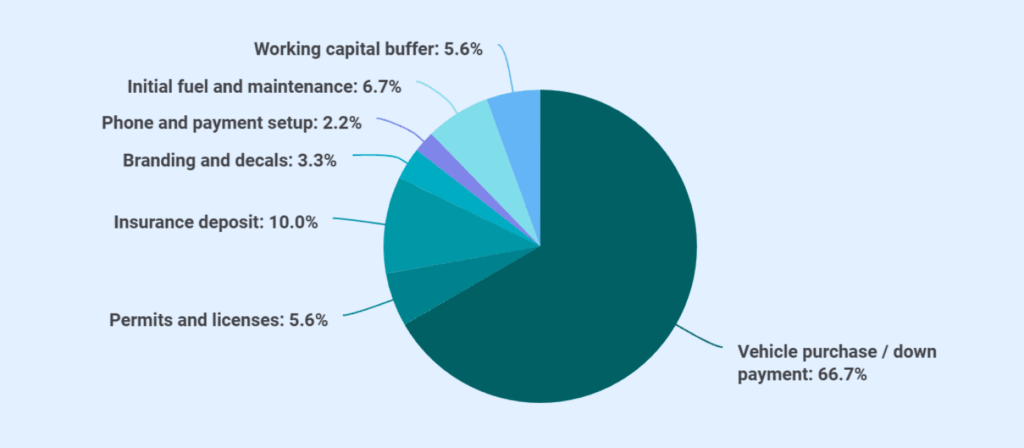
There is no fleet loan, no dispatch software financing, and no expansion capital included in Year 1.
Revenue Assumptions (Year 1)
The following assumptions reflect average stabilized operations across Year 1, not initial launch months.
| Assumption | Value |
|---|---|
| Average daily rides | 18 |
| Operating days per year | 300 |
| Average fare per ride | $24 |
| Annual ride volume | 5,400 |
| Projected Year 1 Revenue | $130,000 |
*The operations will start with the lower utilization during the first months, and the ride volume will grow as the repeat airport customers and local riders are established. Although monthly revenue in the first year can be more aligned with a run rate of around 90,000 annualized, the Year 1 projection will show slow growth in the number of rides per day and airport transfer that will lead to an average annual revenue of around $130,000.
Need to create solid financial projections?
Use our AI forecasting tool to build realistic, visually-appealing financials
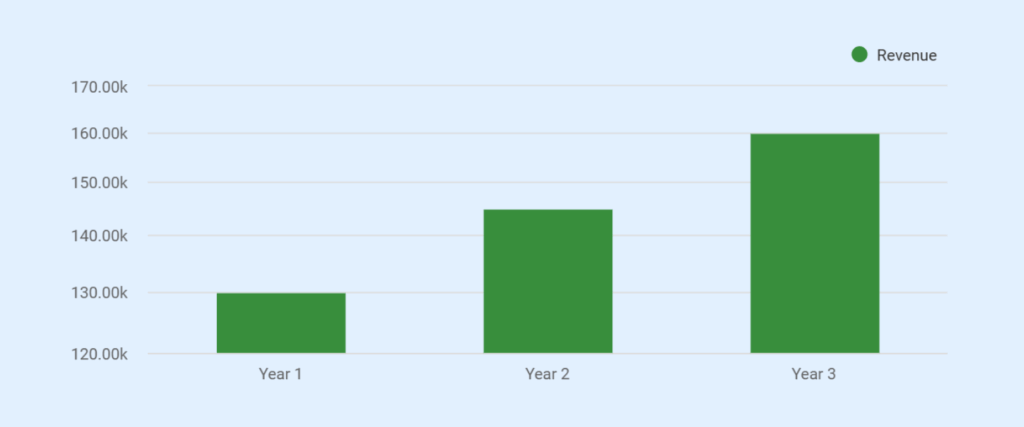
Revenue Forecast (3-Year)
| Year | Revenue ($) |
|---|---|
| 1 | 130,000 |
| 2 | 145,000 |
| 3 | 160,000 |
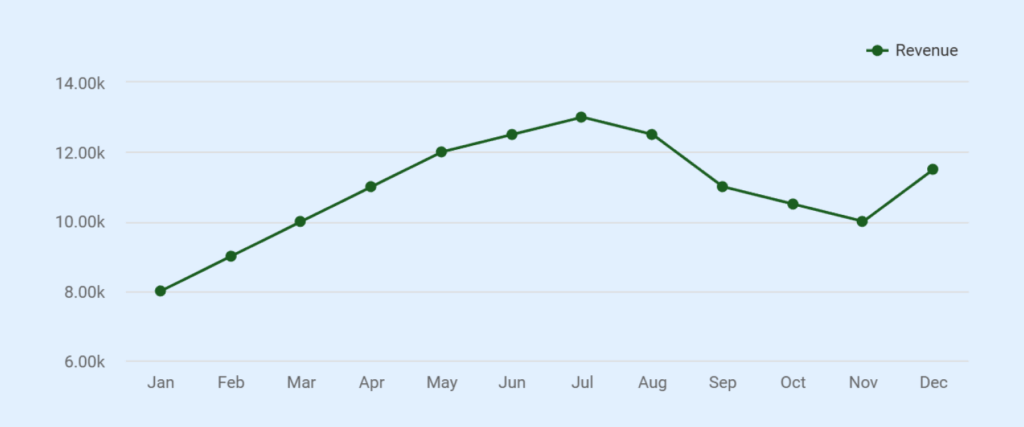
Monthly Projections (Year 1)
| Month | Projected Revenue ($) |
|---|---|
| January | 8,000 |
| February | 9,000 |
| March | 10,000 |
| April | 11,000 |
| May | 12,000 |
| June | 12,500 |
| July | 13,000 |
| August | 12,500 |
| September | 11,000 |
| October | 10,500 |
| November | 10,000 |
| December | 11,500 |
| Total Year 1 Revenue | 130,000 |
*Note: Monthly revenue estimates are done in response to a slow rise in daily flight and airport transfers per month. The first months of the year indicate low usage in the startup period, whilst the months of the middle and end of the year are characterized by people riding frequently, as they are regulars and people who have pre-booked airport trips. This would take an average of about 18 rides per day at an average fare of $24 per ride that year, which would be in agreement with the Year 1 revenue assumptions.
Projected Profit & Loss Statement (3 Years)
| Category | Year 1 ($) | Year 2 ($) | Year 3 ($) |
|---|---|---|---|
| Revenue | 130,000 | 145,000 | 160,000 |
| Variable Costs | |||
| Fuel | 24,000 | 26,000 | 28,000 |
| Repairs & maintenance | 6,000 | 7,000 | 8,000 |
| Payment processing fees | 2,500 | 2,800 | 3,000 |
| Total Variable Costs | 32,500 | 35,800 | 39,000 |
| Gross Profit | 97,500 | 109,200 | 121,000 |
| Fixed Operating Expenses | |||
| Commercial auto insurance | 9,000 | 9,500 | 10,000 |
| Licenses, permits & inspections | 3,000 | 3,200 | 3,400 |
| Marketing & advertising | 3,600 | 3,600 | 3,600 |
| Phone & data | 1,800 | 1,900 | 2,000 |
| Accounting & admin | 2,000 | 2,200 | 2,400 |
| Total Fixed Expenses | 19,400 | 20,400 | 21,400 |
| Operating Income | 78,100 | 88,800 | 99,600 |
| Interest expense (vehicle loan) | 2,000 | 1,600 | 1,200 |
| Depreciation | 6,000 | 6,000 | 6,000 |
| Pre-Tax Income | 70,100 | 81,200 | 92,400 |
| Estimated taxes | 14,000 | 16,200 | 18,500 |
| Net Income | 56,100 | 65,000 | 73,900 |
| Owner Draw | (44,000) | (55,000) | (60,000) |
| Retained Earnings (Increment) | 12,100 | 10,000 | 13,900 |
| Cumulative Retained Earnings | 12,100 | 22,100 | 36,000 |
Projected Cash Flow (3 Years)
| Category | Year 1 ($) | Year 2 ($) | Year 3 ($) |
|---|---|---|---|
| Operating Activities | |||
| Net income | 56,100 | 65,000 | 73,900 |
| Depreciation | 6,000 | 6,000 | 6,000 |
| Working capital changes (net) | (2,500) | (300) | (300) |
| Net Cash from Operations | 59,600 | 70,700 | 79,800 |
| Investing Activities | |||
| Vehicle purchase | (30,000) | 0 | 0 |
| Net Cash from Investing | (30,000) | 0 | 0 |
| Financing Activities | |||
| Vehicle loan proceeds | 20,000 | 0 | 0 |
| Owner cash contribution | 25,000 | 0 | 0 |
| Loan principal repayment | (4,800) | (4,800) | (4,800) |
| Owner draw | (44,000) | (55,000) | (60,000) |
| Net Cash from Financing | (3,800) | (59,800) | (64,800) |
| Net Change in Cash | 25,800 | 10,900 | 15,000 |
| Beginning Cash | 0 | 25,800 | 36,700 |
| Ending Cash | 25,800 | 36,700 | 51,700 |
Projected Balance Sheet
| Category | Year 1 ($) | Year 2 ($) | Year 3 ($) |
|---|---|---|---|
| ASSETS | |||
| Cash | 25,800 | 36,700 | 51,700 |
| Accounts receivable | 2,000 | 2,500 | 3,000 |
| Prepaid expenses | 3,000 | 3,200 | 3,400 |
| Total Current Assets | 30,800 | 42,400 | 58,100 |
| Vehicle (gross) | 30,000 | 30,000 | 30,000 |
| Accumulated depreciation | (6,000) | (12,000) | (18,000) |
| Net Fixed Assets | 24,000 | 18,000 | 12,000 |
| Total Assets | 54,800 | 60,400 | 70,100 |
| LIABILITIES | |||
| Accounts payable | 1,500 | 1,700 | 1,900 |
| Accrued expenses | 1,000 | 1,200 | 1,400 |
| Current loan portion | 4,800 | 4,800 | 4,800 |
| Total Current Liabilities | 7,300 | 7,700 | 8,100 |
| Long-term vehicle loan | 15,200 | 10,400 | 5,600 |
| Total Liabilities | 22,500 | 18,100 | 13,700 |
| OWNER’S EQUITY | |||
| Owner investment | 25,000 | 25,000 | 25,000 |
| Retained earnings | 12,100 | 22,100 | 36,000 |
| Total Owner’s Equity | 37,100 | 47,100 | 61,000 |
| Total Liabilities + Equity | 54,800 | 60,400 | 70,100 |
Break-Even Analysis
| Metric | Result |
|---|---|
| Annual rides (Operating days per year = 300) | 18 × 300 = 5,400 |
| Average fare per ride | $24.00 |
| Variable cost per ride | 32,500 ÷ 5,400 = 6.02 |
| Monthly fixed expenses | 19,400 ÷ 12 = 1,617 |
| Contribution margin per ride | 24.00 − 6.02 = 17.98 |
| Break-even rides per month | 1,617 ÷ 17.98 ≈ 90 rides |
| Operating days per month | 25 |
| Break-even rides per day | 90 ÷ 25 = 3.6 rides |
| Break-even monthly revenue | 90 × 24 = 2,160 |
| Break-even annual revenue | 2,160 × 12 = 25,920 |
Business Ratios
| Ratio | Year 1 | Year 2 | Year 3 |
|---|---|---|---|
| Gross Margin | 75.0% | 75.3% | 75.6% |
| Net Margin | 43.2% | 44.8% | 46.2% |
| Current Ratio | 4.22 | 5.51 | 7.17 |
| Quick Ratio | 3.81 | 5.09 | 6.75 |
| Debt-to-Equity Ratio | 0.61 | 0.38 | 0.22 |
| Return on Assets (ROA) | 102.4% | 107.6% | 105.4% |
| Return on Equity (ROE) | 151.2% | 138.0% | 121.1% |
Elevated return ratios reflect the owner-operator structure and low equity base rather than scale or pricing power.
Don’t waste time using spreadsheets
Funding Requirements
Scenario Type: Owner-funded startup with vehicle-only financing
Business Model: Solo, owner-operated taxi service
Entity: QueenCity Taxi Services
Location: Charlotte, North Carolina
QueenCity Taxi Services requires $45,000 in total startup funding to launch operations with one vehicle. Funding consists of $25,000 in owner cash and a $20,000 vehicle loan applied toward the purchase of a used sedan. The business does not seek fleet financing, dispatch system loans, or institutional business credit.
Funding Sources
| Source | Amount ($) |
|---|---|
| Owner cash contribution | 25,000 |
| Vehicle loan (used sedan) | 20,000 |
| Total Funding | 45,000 |
Use of Funds
The total cost of the sedan is $30,000, funded through the vehicle loan and a portion of owner cash. Remaining owner funds are used for startup setup and working capital.
| Use | Amount ($) |
|---|---|
| Vehicle purchase (loan + owner contribution) | 30,000 |
| Permits and licenses | 2,500 |
| Commercial insurance deposit | 4,500 |
| Branding and decals | 1,500 |
| Phone and payment setup | 1,000 |
| Initial fuel and maintenance | 3,000 |
| Working capital buffer | 2,500 |
| Total Uses | 45,000 |
Loan Details
| Item | Detail |
|---|---|
| Loan type | Used vehicle auto loan |
| Loan amount | 20,000 |
| Term | 48–60 months |
| Estimated interest rate | 8–9 percent |
| Collateral | Financed vehicle only |
| Guarantee | Personal guarantee by the owner |
The loan is limited strictly to the vehicle and does not involve business assets, fleet collateral, or expansion financing.
The Quickest Way to turn a Business Idea into a Business Plan
Fill-in-the-blanks and automatic financials make it easy.
