




Executive Summary
Revival & ReThread Thrift Co. will be the new name of the thrift store we are buying in City Heights, San Diego. The store has been running for 11 years as RetroCycle Thrift, Inc. It already has steady sales and loyal customers, and people in the neighborhood trust it. Many local families and shoppers rely on this store for affordable secondhand items.
We want to keep the store the same so customers feel comfortable. We will keep prices low, keep the staff, and continue the same friendly service. To complete the purchase, we are seeking a loan that will help us buy the business and keep operations stable during the transition.
Our focus is on a smooth changeover, steady cash flow in the first year, and simple improvements that support long-term growth.
Target Customers
Revival & ReThread will continue serving the same loyal community while expanding appeal to:
- Ages 18–45
- College students (SDSU, San Diego Mesa College)
- Local families looking for affordable essentials
- Shoppers who prefer sustainable and budget-friendly purchasing
- Vintage collectors searching for curated, premium pieces
This mix provides both strong day-to-day traffic and higher-value sales through curated and online channels.
Market Opportunities
City Heights is a busy area with strong demand for used and low-cost items. About 69,728 people live in the neighborhood, and there is a lot of foot traffic because of the bus lines. Most shoppers here are families, students, immigrant households, and people who enjoy vintage items. A recent report shows that 93% of people in the U.S. bought something secondhand in 2025, which means the demand is strong.
The store’s long history and visible location give us a stable starting point. By keeping the same core setup and adding small upgrades like curated vintage racks and simple online listings, we have room to increase sales without changing what already works well.
Founders & Management Strength
We, as buyers, bring hands-on experience and operational skills that fit this business model:
Lena Morales (80% Managing Owner)
Former Operations Manager at Buffalo Exchange with 7 years in resale, including intake, sorting, pricing, and merchandising for a store generating $1.3M per year.
Dylan Shaw (20% Operations Lead)
Former logistics supervisor at FedEx, specializing in workflow, back-room organization, and inventory systems.
Their experience ensures the store runs smoothly from day one. All current staff will stay, keeping customer trust and store consistency.
Financial Highlights
The seller’s historical numbers demonstrate a stable and profitable operation:
- 2024 Revenue: $538,000
- Seller’s Discretionary Earnings (SDE): $126,000
- Net Income: ~$86,000
Projecting forward, we expect steady, conservative growth:
| Year | Average Monthly Revenue | Annual Revenue |
|---|---|---|
| 1 | $48,000 | $576,000 |
| 2 | $53,000 | $636,000 |
| 3 | $58,000 | $696,000 |
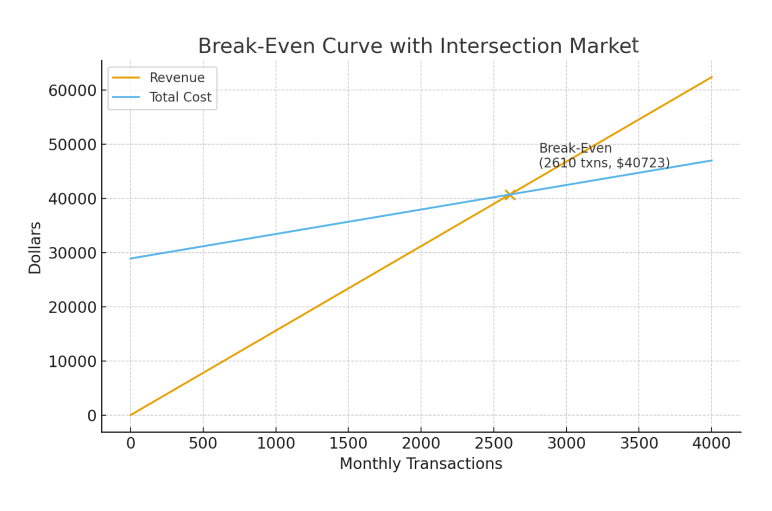
Break-even is approximately $40,723 per month, equal to around 87 daily transactions at an average basket size of $15.60.
Funding Requirements
The total purchase price is $420,000, which will be funded through:
- SBA 7(a) Loan: $315,000 (U.S. Bank – San Diego University Avenue Branch)
- Seller Financing: $63,000
- Buyer Equity Injection: $42,000 (10%)
The loan will also include working capital for the first year, POS upgrades, and minor renovations to support a smooth transition and improved merchandising.
Want a professional plan like this sample?
Upmetrics AI generate a complete, investor-ready plan for you

Business Overview
Revival & ReThread Thrift Co. will operate from 3914 University Avenue in City Heights, San Diego. The store sits in a busy, diverse neighborhood where many families, students, and local workers rely on affordable secondhand goods. Forming an LLC gives us liability protection, helps us manage contracts and suppliers more easily, and supports steady long-term operations.
Business History
The store has been in business for 11 years, previously known as RetroCycle Thrift, Inc. Over the past decade, it has built a strong local following, consistent foot traffic, and a reputation for fair prices. The business has stayed steady because of its simple model, loyal staff, and a customer base that prefers affordable resale items.
Ownership
RetroCycle Thrift, Inc. is currently owned by Jonathan Smith (the seller), who has run the store since it opened. After the acquisition, ownership will transfer to Revival & ReThread Thrift Co., LLC, led by:

Once we take over, we will stay closely involved in the store’s daily operations, especially during the first year. This helps us keep the business steady, support the existing staff, and protect cash flow during the transition.
Business Model
The store follows a straightforward resale model:
- Source secondhand goods at low cost
- Organize and price them affordably
- Sell them to a steady, local customer base
Its main revenue comes from clothing, shoes, accessories, small household goods, and seasonal items. Most customers are repeat visitors who check in weekly to look for new finds.
Mission
To offer good-quality secondhand items at fair prices while keeping the store welcoming, reliable, and community-focused.
Vision
To grow the business gradually by improving organization, maintaining excellent customer service, and becoming the go-to neighborhood thrift shop for everyday needs.
Transition & Continuity Plan
We want the store to run as usual during the ownership change. Staff, hours, prices, products, and store layout will stay the same at first, so customers will feel no difference. Any updates, like better organization and a more efficient workflow, will be added slowly.
The seller will help us during the handover by introducing us to vendors and showing us how inventory, pricing, and back-room systems currently work. We’ll keep the current manager and staff so customers see familiar faces. For the first 90 days, nothing major will change as we learn the store’s routine.
Transition Timeline
The transition timeline follows a structured path:
| Step | Date | What Happens |
|---|---|---|
| Buyer–Seller LOI Signed | March 2026 | Agreement to move forward |
| SBA Application Submitted | April 2026 | Loan application sent |
| Lender Review + Store Check | May 2026 | Financials reviewed, store inspected |
| Final Purchase Closing | June 2026 | Ownership officially transfers |
| Rebranding + Soft Updates | July 2026 | Small changes to store look & systems |
| Grand Re-Opening | August 2026 | Public launch under new ownership |
This timeline allows for a calm, steady transition with no disruptions for customers or staff.
Business Goals
Our main goal is to take over the store, keep it running on track, and grow it little by little without changing what customers like.
- Maintain steady sales of around $48,000 per month on average in Year 1.
- Keep cash flow stable while SBA loan and seller note payments begin.
- Launch the online store for premium pieces.
- Gradually increase monthly revenue to $58,000 by Year 3.
- Build stronger connections with estate-sale suppliers, donors, and local drives.
- Reach break-even by mid-2027 and grow steadily.
- Prepare for a second location in the future (not before 2029).
Our overall focus is to keep the store familiar and trusted, while guiding it toward slow, reliable, and low-risk growth.
Market Analysis
The secondhand market is growing faster than ever, and shoppers today actively look for affordable, sustainable, and unique items. This growth directly supports what our store sells—mainly secondhand apparel, which is the biggest and strongest part of the resale industry.
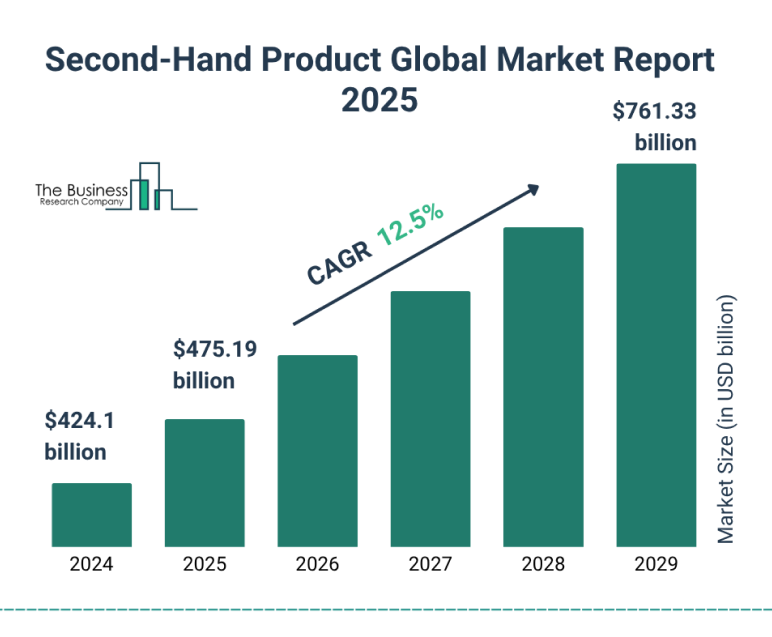
The global secondhand products market reached $475.19 billion in 2025, and it’s expected to grow to $761.33 billion by 2029.
Out of all secondhand categories, clothing brings in the most customers.
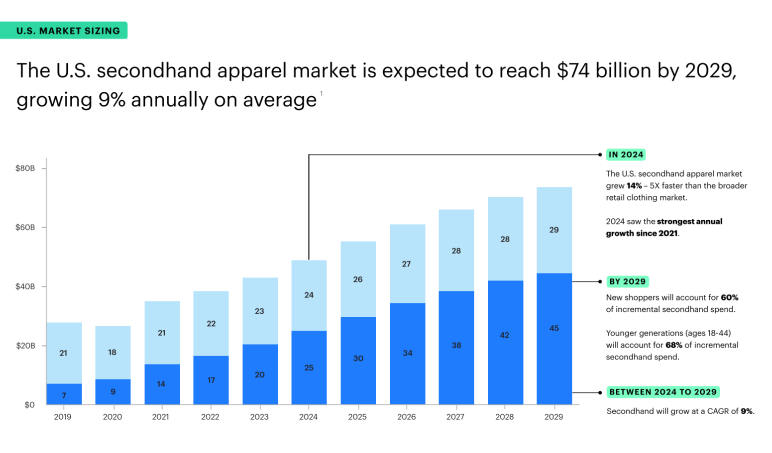
The global secondhand apparel market alone is expected to reach $367 billion by 2029. In the U.S., the secondhand apparel market is on track to reach $74 billion by 2029, growing about 9% each year.
City Heights also supports this trend. As mentioned above, it has 69,728 residents and a median household income of $62,814, which creates strong demand for affordable, good-quality products and clothing. It’s a neighborhood where value shopping is common and secondhand goods fit well with everyday needs.
Overall, the market numbers make one thing clear: the demand for secondhand products is rising everywhere—from global to national to right here in City Heights.
Market Trends
The thrift and resale industry is changing fast, and many of these shifts directly support how our store works.
- More people shop secondhand to save money.
- Gen Z and Millennials love thrifting for style and budget.
- Many customers now look for older, unique pieces.
- Regular product rotation keeps customers coming back.
- Shoppers search for secondhand items on apps and websites more than ever.
These trends show that secondhand shopping is becoming a normal part of how people buy clothes, both online and in local neighborhoods.
Target Market & Competitor Analysis
Target Market
A recent report shows a big shift in shopping habits—54% of Gen Z and 44% of Millennials now choose secondhand over new most of the time. This fits our customers perfectly.
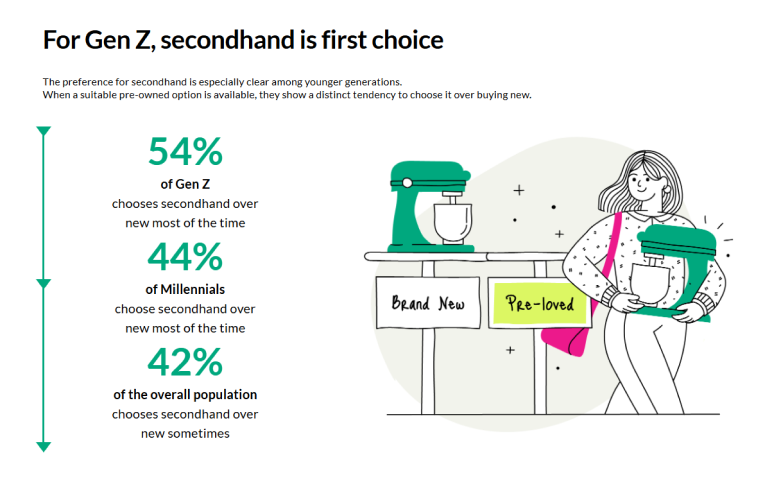
Because our store mainly attracts people between 18 and 45 who want affordable, good-quality clothing and a place where they can find new items often without spending too much.
Our secondary customer groups include:
- College students (SDSU, Mesa College): They need cheap outfits, basics, and trendy items for everyday use.
- Immigrant families: They look for low-cost clothes, kids’ items, and useful home goods.
- Budget-conscious shoppers: They want steady prices, good deals, and items that help them save money.
- Resale fans and vintage buyers: They want unique pieces and older styles that they can’t find in regular stores.
This mix of shoppers matches our store’s strengths and keeps demand strong year-round.
Competitor Analysis
In City Heights, Revival & ReThread faces competition from both direct competitors and indirect competitors. Each competitor attracts different shoppers and has its own strengths and weaknesses.
| Competitor | Type | What They Offer | Weakness / Note |
|---|---|---|---|
| Thrift Trader | Direct | Large mix of secondhand clothing, buy-sell-trade system, low prices | Crowded store, inconsistent quality, not well organized |
| Full Earth Vintage | Direct | Curated vintage clothing, unique pieces, strong style | High prices, limited selection, not affordable for everyday shoppers |
| Goodwill City Heights | Direct | Big store, steady donations, wide range of products | Not curated, quality varies, slower product rotation |
| Walmart / Target / Dollar Tree | Indirect | Low-priced new items | Compete for budget shoppers |
| Facebook Marketplace / OfferUp / Craigslist | Indirect | Used items sold online quickly, often cheap | Easy access, but no physical store experience |
| Flea Markets / Swap Meets | Indirect | Weekend markets with variety and deals | Fun shopping experience, but inconsistent selection |
| Small Online Vintage Sellers / Pop-ups | Indirect | Unique or trendy items for younger shoppers | Limited stock, no in-person store |
Differentiation Angle
We plan to keep the foundation of the store that already works while adding a few improvements:
- Structured buy-sell-trade program – Makes it easier for customers to sell and trade items.
- Better display and weekly special drops – Keep the store fresh and attractive.
- Slight price adjustments – Stay affordable for low-income shoppers while improving profit margins.
- Online store for higher-value vintage items – Reaches more customers and sells premium pieces.
Want to create a plan like this for your business?
Prepare your own plan in minutes using Upmetrics AI
Products Offering & Buy-Sell-Trade Program
The store continues with the current range of product categories, which already reflects 11 years of proven demand in City Heights. These include:
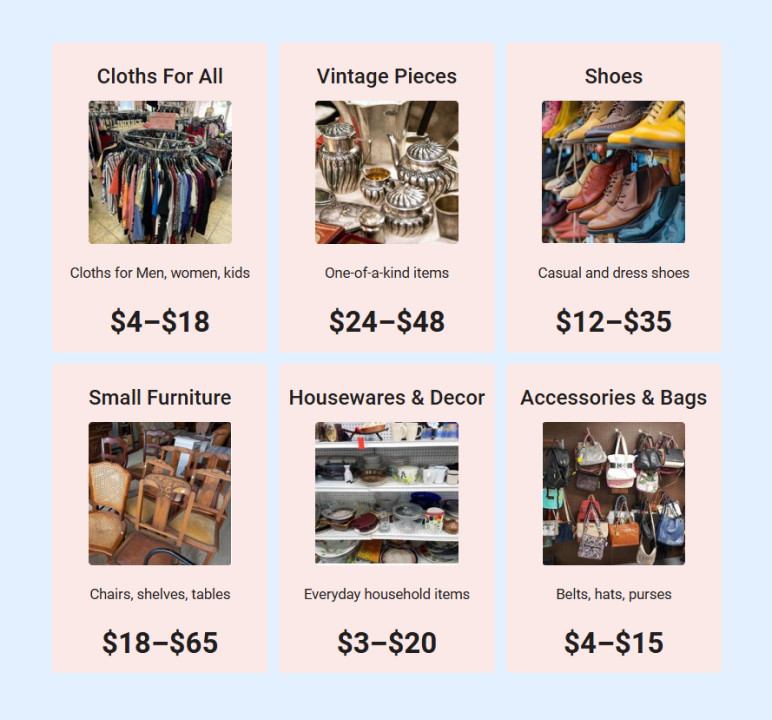
Buy-Sell-Trade Program
We will continue and improve the store’s Buy-Sell-Trade program, giving customers more ways to save, sell, and shop.
- Cash Payout: Customers can bring in their gently used items and get 30% of the resale price in cash.
- Store Credit: For those who want to shop more, we offer 45% of the resale price as store credit, which can be used right away.
This program helps people turn clothes and items they no longer need into value while keeping our store stocked with fresh, interesting products. It encourages regular visits and creates a fun, sustainable shopping experience for everyone.
New Additions Post-Acquisition
After we take over, we plan to add some fresh ideas to make shopping at Revival & ReThread more fun, while keeping the store familiar for regular customers.
| New Addition | What It Is | Price / Details | Why It Matters |
|---|---|---|---|
| Curated Vintage Racks | Hand-picked premium vintage items | $32–$68 | Helps customers quickly find unique, high-quality pieces |
| Monthly Clearance Events | Special sale on selected items | $1–$3 | Keeps the store fresh and attracts bargain shoppers |
| Online Listings | Higher-value and vintage items available online | Varies | Makes shopping convenient from home and expands reach |
| Estate-Sale Inventory Partnerships | Sourcing unique items through local estate sales | N/A | Ensures a steady flow of interesting products and variety |
These changes will keep the store friendly and familiar while giving customers new ways to shop and enjoy secondhand finds, both in-store and online.
Suppliers / Inventory Sources
To keep Revival & ReThread stocked with popular, quality items, we’ll work closely with trusted sources. This includes estate-sale sellers in San Diego, repeat community donors, and bulk resale buyers like American Retold Wholesale.
We’ll also partner with local clothing drives and community events to find unique pieces. By keeping these relationships strong, we can ensure a steady flow of fresh inventory, maintain the store’s reputation, and support gradual, low-risk growth after the acquisition.
Equipment Being Acquired
As part of the acquisition, we’ll take over all key equipment that keeps the store running efficiently. This includes:
- POS System: Clover Mini with handheld scanners for fast checkout
- Security Cameras: Installed in 2022 to keep the store safe
- Racks & Shelving: 44 clothing racks and 16 shelving units for organized displays
- Back-Room Tools: Commercial steamer and sorting tables to help with daily operations
Having this equipment included ensures we can start managing the store right away, maintain the current workflow, and make small improvements without disruption.
Sales and Marketing Strategy
Marketing Channels
The store already operates across multiple channels that reach budget-focused and vintage-focused customers:
| Marketing Channel | % of Effort | Monthly Budget ($) | What It Does |
|---|---|---|---|
| Instagram & TikTok | 40% | $320 | Show new arrivals, curated racks, and promotions |
| Google Maps & Local Reviews | 20% | $160 | Help local people find the store easily |
| Community Flyers (churches & apartments) | 10% | $80 | Reach nearby residents directly |
| Resale App Listings (Depop, Poshmark) | 15% | $120 | Sell vintage and higher-value items online |
| Local Events & Street Markets | 15% | $120 | Connect with the community and attract new shoppers |
| Total Budget | 100% | $800 per month |
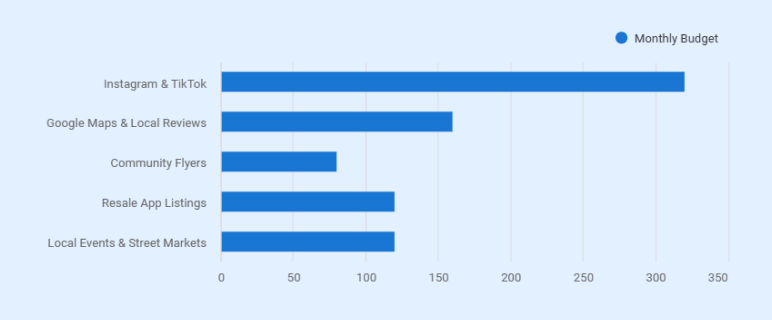
This mix gives a strong balance of social media, neighborhood visibility, and online resale. We’ll keep it as is because it drives daily visits and online sales while keeping the store steady and low-risk.
Customer Retention and Acquisition Plan
Our main focus is on keeping the regular customers who’ve shopped with us for years. We’ll do this by keeping prices the same, keeping the store layout familiar, keeping all current employees, and posting updates about new arrivals so they know what’s new.
To bring in new customers, we’ll add 3 programs while keeping the store easy to shop in:
- Curated Premium Line: We’ll add a small selection of higher-quality vintage items. This’ll attract shoppers who like unique pieces but don’t want to pay boutique prices. They often visit many stores and check social media for new finds.
- College Ambassador Program: Students from SDSU and Mesa College can be ambassadors. They’ll get store credit for sharing new arrivals on social media and bringing friends to monthly clearance events. This helps us reach younger shoppers.
- Weekly “New Arrivals Wednesday”: Every Wednesday, we’ll put new items on the floor. This gives regular customers a reason to come back and spreads out traffic during the week.
This plan keeps our regular shoppers happy and coming back while slowly attracting new customers in a steady, low-risk way.
Launch Promotions (Post-Acquisition Reopening)
To celebrate the reopening of Revival & ReThread Thrift Co., we’re planning some special promotions. During Grand Re-Opening Week, customers will get 20% off on one item. For the first 30 days, anyone using the Buy-Sell-Trade program will get extra store credit to encourage trade-ins and repeat visits.
We’ll also have $5 mystery bags with a mix of clothing and accessories. We’ll distribute flyers in nearby neighborhoods, bus stops, and local colleges:

This helps bring more people in and creates excitement around the reopening.
These promotions will help us keep regular customers happy, bring in new ones, and support steady sales as we start under new ownership.
Sales Mix Targets
Most of our sales will follow the store’s usual pattern, with regular clothing and accessories still making up the bulk of daily revenue. At the same time, we’ll grow higher-margin items like curated vintage jackets, special accessories, and online-only pieces. These products will slowly take up a bigger part of sales over the first three years.
Weekly clearance events will keep stock moving and make sure older items don’t sit on the floor too long. By balancing everyday items with premium and online products, we can keep regular customers happy while slowly increasing profits. This plan also helps keep cash flow steady and daily operations smooth.
Operations & Staffing
Store Layout and Back-Room Flow
The store is located at 3914 University Avenue in City Heights and operates with an open, easy-to-navigate layout. The sales floor has 44 clothing racks, 16 shelving units, and multiple areas for shoes, accessories, and home goods. This setup helps our team restock quickly and keep items visible and organized for customers.
The back room is set up for smooth daily work, with sorting tables, a commercial steamer, tagging stations, and space for estate-sale and bulk resale items. As the new owners, we’ll keep most of this workflow the same, with small improvements like better storage for new items and clear separation between donations, trade-ins, and estate-sale products.
Keeping this layout familiar helps customers have a consistent shopping experience while letting our team handle restocking and organizing efficiently.
Operation Hours and Shift Structure
Revival & ReThread Thrift Co. will be open at these times to serve City Heights shoppers and keep staff work balanced:
Store Hours
- Monday – Saturday: 10:00 AM – 7:00 PM
- Sunday: 11:00 AM – 5:00 PM
Shifts
- Opening Shift: 9:30 AM – 3:00 PM (gets the store ready, restocks, helps early customers)
- Closing Shift: 2:30 PM – 7:30 PM (handles sales, restocks, and closing tasks)
- Weekends: 4–5 staff members to manage more customers
Staffing Overview
All current employees will be retained at the time of acquisition. The existing staff includes:
| Role | What They Do | Pay |
|---|---|---|
| Store Manager (1) | Runs the store, manages staff, and helps customers | $46,000/year |
| Sales Associate (4, part-time) | Helps customers, stocks shelves, and keeps the store organized | $17.50/hour |
| Inventory Processor (1) | Sorts and tags items, manages back-room stock | $18/hour |
| Contract Photographer | Takes photos of items for online listings | $450/month |
| Bookkeeper | Keeps track of money, sales, and reports | $200/month |
If needed in the future, we can hire new staff, but for now, we don’t plan to add anyone.
Compliance and Legal Requirements
Revival & ReThread Thrift Co., in City Heights, will follow all the rules to run the store safely and legally:
- California Seller’s Permit – Lets the store sell taxable items legally.
- Retail Business License – Gives permission to operate in San Diego.
- ADA Compliance Audit – Checks that the store is accessible to everyone, including people with disabilities.
For insurance, the store will have general liability and property coverage. This protects the business, staff, and customers from accidents or damage and helps us run the store safely.
Quality and Service Standards
As the new owners, we want to keep the store running effectively and looking great for customers. Our main focus is on fast processing, neat displays, and keeping items moving on the floor.
Key standards:
- Restock new items on the floor every day
- Refresh racks in popular sections each week
- Quickly tag and process incoming items
- Keep displays clean and organized
- Make sure pricing is clear and consistent
Following these standards helps us keep the store trusted, familiar, and makes shoppers want to come back.
Risk Mitigation Plan
Every business faces risks, especially during an ownership change. The table below shows the key risks for Revival & ReThread Thrift Co. and the steps we’ll take to manage them.
| Name | Risk | Mitigation Strategy |
|---|---|---|
| Customer Retention | Losing loyal customers after the ownership transition | Keep all current staff, maintain the same pricing, and keep the store layout familiar |
| Inventory Stability | Inconsistent inventory flow | Add estate-sale sourcing, partner with liquidators, and use a structured buy-sell-trade program |
| Seller Note Pressure | Monthly payments are becoming a burden | Start with a 12-month interest-only period to protect cash flow |
| Seasonal Sales Dip | Lower sales during the summer months | Run summer clearance events and push more online vintage listings |
Financial Plan
Revival & ReThread Thrift Co. is expected to keep making money under new ownership. Sales are likely to grow steadily because of curated vintage items, weekly new inventory, and more online listings. The store already has a solid base, keeps costs under control, and has steady cash flow.
Looking at the store’s past numbers gives a clear picture of its performance:
Historical Financial Summary (2024)
| Description | Amount ($) |
|---|---|
| Revenue | $538,000 |
| Cost of Goods Sold (COGS) | $156,020 (29%) |
| Net Income | $86,000 |
| Seller’s Discretionary Earnings (SDE) | $126,000 |
These numbers show the store has been profitable and generates good extra earnings, giving the new owners a strong starting point.
Purchase Overview
RetroCycle Thrift will be purchased using a mix of an SBA loan, seller financing, and buyer equity. This structure covers the cost of buying the store and gives the business enough breathing room for the first year.
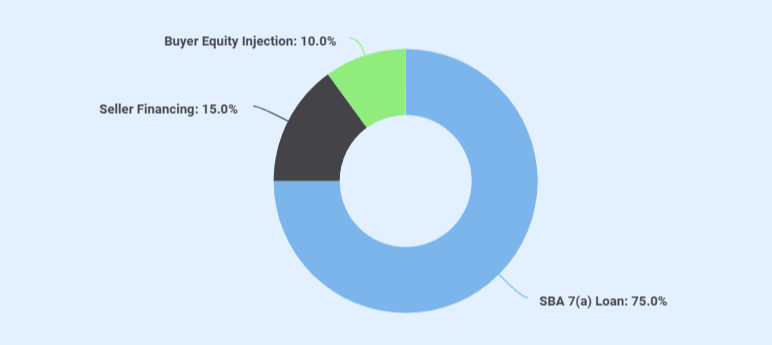
| Source | Amount ($) |
|---|---|
| SBA 7(a) Loan | $315,000 |
| Seller Financing | $63,000 |
| Buyer Equity Injection | $42,000 |
| Total Project Funding | $420,000 |
Important Assumptions
- Revenue growth follows a historical pattern with a 5–10% annual increase.
- COGS: 29%.
- Annual payroll: $127,880 (existing staff retained).
- Monthly marketing budget: $800.
- Average basket size: $15.60.
- Loan interest: SBA 7(a) prime + 2.75%, 10-year term; seller note 6% interest, first 12 months interest-only.
- No additional staff hiring planned in Year 1.
Revenue Forecasts (3 Years)
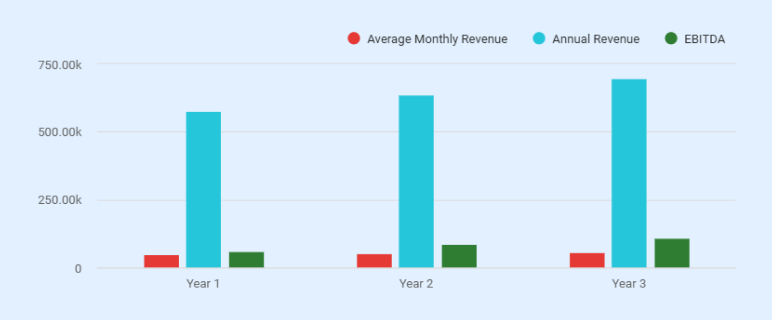
| Year | Avg Monthly Revenue | Annual Revenue | EBITDA |
|---|---|---|---|
| 1 | $48,000 | $576,000 | $62,000 |
| 2 | $53,000 | $636,000 | $86,000 |
| 3 | $58,000 | $696,000 | $108,000 |
Monthly Projections (Year 1)
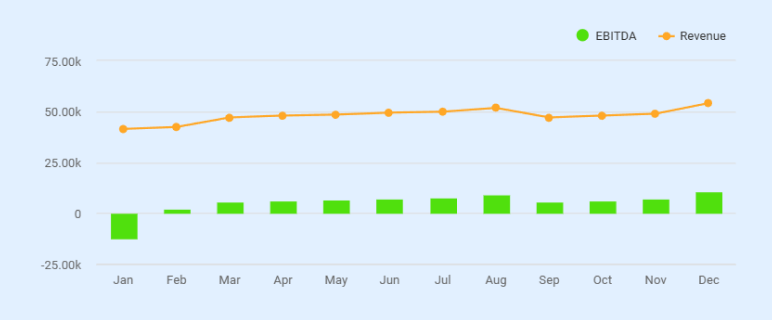
| Month | Revenue | COGS | Gross Profit | Operating Expenses* | EBITDA |
|---|---|---|---|---|---|
| Jan | $41,414 | $12,014 | $29,400 | $41,747 | -$12,347 |
| Feb | $42,355 | $12,243 | $30,112 | $27,747 | $2,365 |
| Mar | $47,061 | $13,648 | $33,413 | $27,747 | $5,666 |
| Apr | $48,002 | $13,921 | $34,081 | $27,747 | $6,334 |
| May | $48,472 | $14,057 | $34,415 | $27,747 | $6,668 |
| Jun | $49,414 | $14,330 | $35,084 | $27,747 | $7,337 |
| Jul | $49,885 | $14,466 | $35,419 | $27,747 | $7,672 |
| Aug | $51,767 | $15,013 | $36,754 | $27,747 | $9,007 |
| Sep | $47,061 | $13,648 | $33,413 | $27,747 | $5,666 |
| Oct | $48,002 | $13,921 | $34,081 | $27,747 | $6,334 |
| Nov | $48,903 | $14,182 | $34,721 | $27,747 | $6,974 |
| Dec | $54,120 | $15,695 | $38,425 | $27,747 | $10,678 |
| Total | $576,000 | $167,040 | $408,960 | $346,964 | $62,000 |
Projected Profit & Loss Statement (3 Years)
| Income Statement Item | Year 1 | Year 2 | Year 3 |
|---|---|---|---|
| Revenue | $576,000 | $636,000 | $696,000 |
| COGS (29%) | $167,040 | $184,440 | $201,840 |
| Gross Profit | $408,960 | $451,560 | $494,160 |
| Payroll | $127,880 | $127,880 | $127,880 |
| Marketing | $9,600 | $9,600 | $9,600 |
| Renovation / POS Upgrades | $14,000 | $0 | $0 |
| Other Operating Expenses | $195,480 | $228,080 | $248,680 |
| Total Operating Expenses | $346,960 | $365,560 | $386,160 |
| EBITDA | $62,000 | $86,000 | $108,000 |
Projected Balance Sheets (3 Years)
| Balance Sheet Item | End Year 1 | End Year 2 | End Year 3 |
|---|---|---|---|
| Assets | |||
| Cash | $62,000 | $148,000 | $256,000 |
| Business Assets | $420,000 | $420,000 | $420,000 |
| Total Assets | $482,000 | $568,000 | $676,000 |
| Liabilities | |||
| SBA Loan | $315,000 | $315,000 | $315,000 |
| Seller Note | $63,000 | $63,000 | $63,000 |
| Total Liabilities | $378,000 | $378,000 | $378,000 |
| Equity | |||
| Owner Equity | $42,000 | $42,000 | $42,000 |
| Retained Earnings | $62,000 | $148,000 | $256,000 |
| Total Equity | $104,000 | $190,000 | $298,000 |
Projected Cash Flow (3 Years)
| Cash Flow Item | Year 1 | Year 2 | Year 3 |
|---|---|---|---|
| Opening Cash | 0 | $62,000 | $148,000 |
| Operating Cash Flow (≈ EBITDA) | $62,000 | $86,000 | $108,000 |
| Net Cash Change | $62,000 | $86,000 | $108,000 |
| Ending Cash | $62,000 | $148,000 | $256,000 |
Spreadsheets are exhausting & time-consuming
Build accurate financial projections w/ AI-assisted features
Break-Even Analysis
| Item | Value |
|---|---|
| Monthly Fixed Costs | $28,913 |
| Break-even Revenue (Monthly) | $40,723 |
| Average Ticket Size | $15.60 |
| Required Monthly Transactions | 2,610 |
| Required Daily Transactions (approx) | 87 |
Funding Requirement
Revival & ReThread Thrift Co. needs $420,000 to buy the store and run the first year. The funding is a mix of an SBA loan, seller financing, and the buyer’s own cash.
| Source | Amount | Notes |
|---|---|---|
| SBA 7(a) Loan | $315,000 | 10-year term, interest at prime + 2.75%, secured by business assets and a lien on buyer’s home equity. |
| Seller Financing (Subordinated Note) | $63,000 | 6% interest, interest-only for 12 months, then 5-year amortization. |
| Buyer Equity Injection | $42,000 | Meets the 10% SBA equity requirement. |
| Total Funding | $420,000 |
The Quickest Way to turn a Business Idea into a Business Plan
Fill-in-the-blanks and automatic financials make it easy.
